
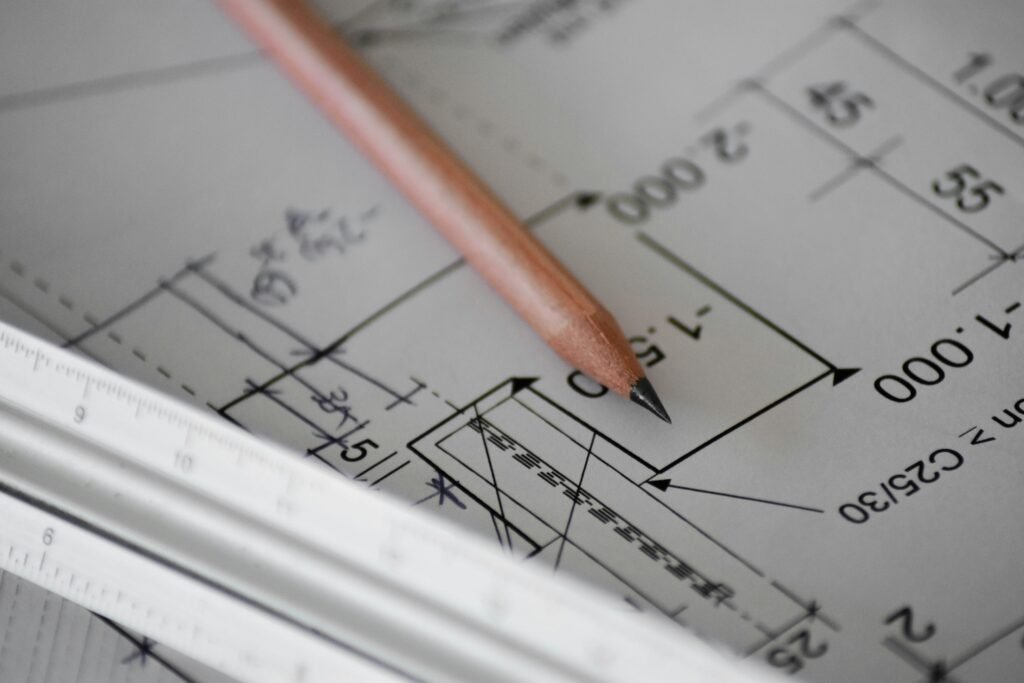
The construction industry plays a vital role in shaping modern cities, infrastructure, and living spaces. From residential homes to commercial buildings and large-scale infrastructure projects, construction is the backbone of economic growth and development. A well-planned construction project ensures safety, durability, and long-term value.
Understanding the Construction Industry
Construction is more than just bricks and concrete. It involves careful planning, skilled labor, advanced machinery, and strict quality control to deliver reliable and sustainable structures.
Types of Construction Projects
There are several types of construction projects, each serving a different purpose:
Residential Construction
Residential construction focuses on building homes, apartments, and housing societies. These projects prioritize comfort, safety, and efficient use of space.
Commercial Construction
Commercial construction includes offices, shopping malls, hotels, hospitals, and educational institutions. These structures require strong designs, modern facilities, and compliance with safety regulations.
Industrial Construction
Industrial construction covers factories, warehouses, power plants, and manufacturing units. These projects demand high durability and specialized engineering solutions.
Key Stages of a Construction Project
Every successful construction project follows a structured process to ensure quality and timely completion.
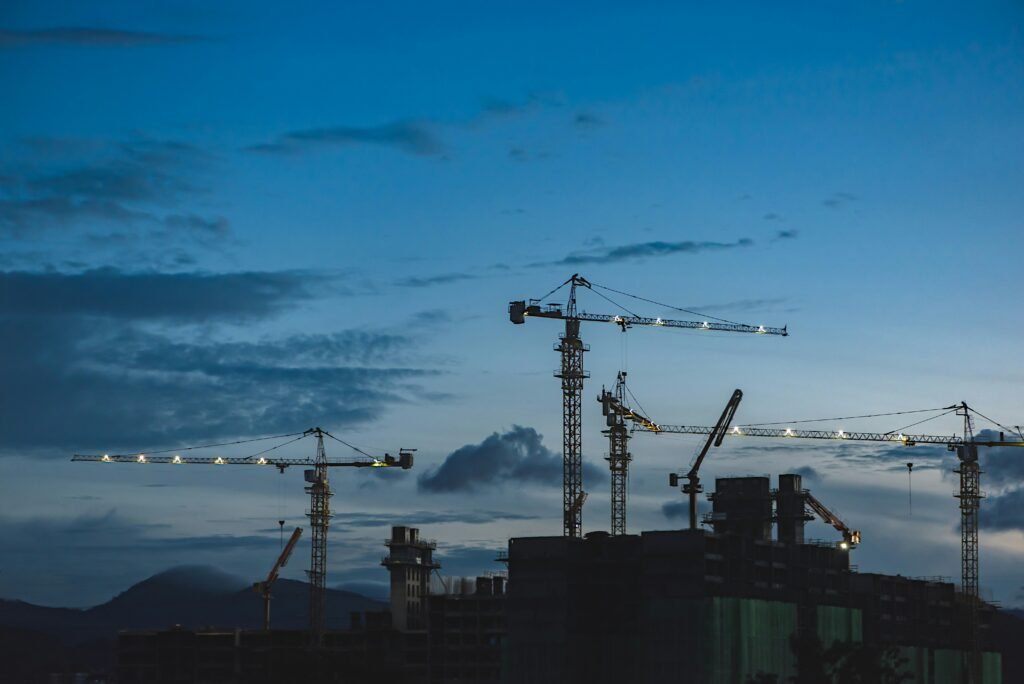
Planning and Design
This stage includes site analysis, architectural design, budgeting, and obtaining legal approvals. Proper planning helps avoid costly mistakes later.
Material Selection
Choosing high-quality construction materials is essential for strength and longevity. Cement, steel, bricks, and finishing materials must meet industry standards.
Construction and Execution
This is the actual building phase where foundations, structures, electrical systems, plumbing, and finishes are completed by skilled professionals.
Inspection and Quality Control
Regular inspections ensure that the construction meets safety codes, design specifications, and quality benchmarks.
Importance of Professional Construction Services
Hiring professional construction services ensures that your project is handled with expertise and accountability.
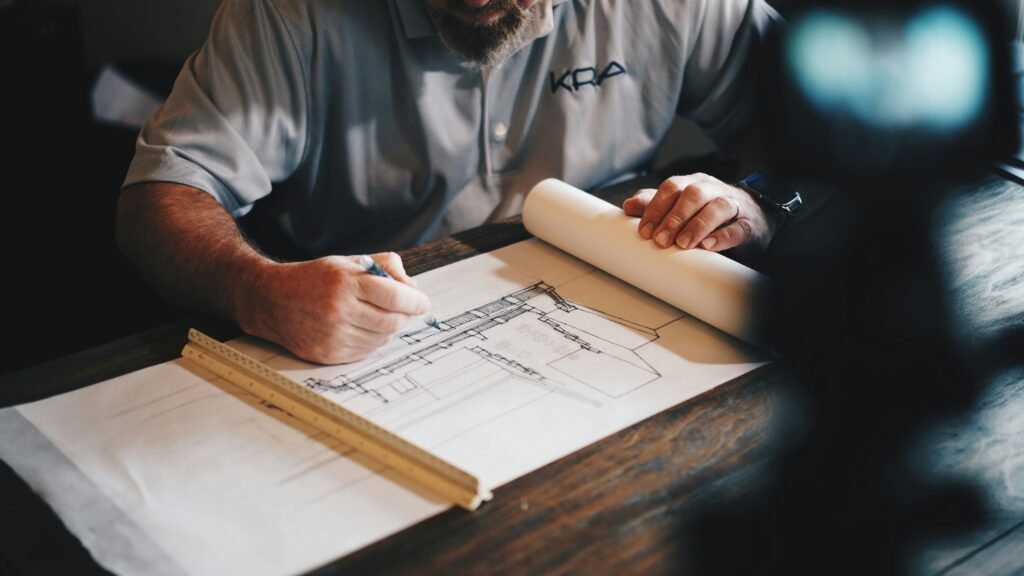
Safety and Compliance
Professional builders follow safety standards and local regulations, reducing risks and legal issues.
Cost and Time Efficiency
Experienced construction teams manage resources efficiently, helping complete projects on time and within budget.
Long-Term Durability
Quality construction ensures that buildings remain strong, safe, and low-maintenance for many years.
Conclusion
Construction is a complex but essential industry that transforms ideas into real structures. Whether it is a home, office, or industrial facility, proper planning, skilled execution, and quality materials are the keys to success. By choosing reliable construction professionals, you invest in safety, durability, and long-term value.